In the heart of Niassa and Cabo Delgado
18 May 2026
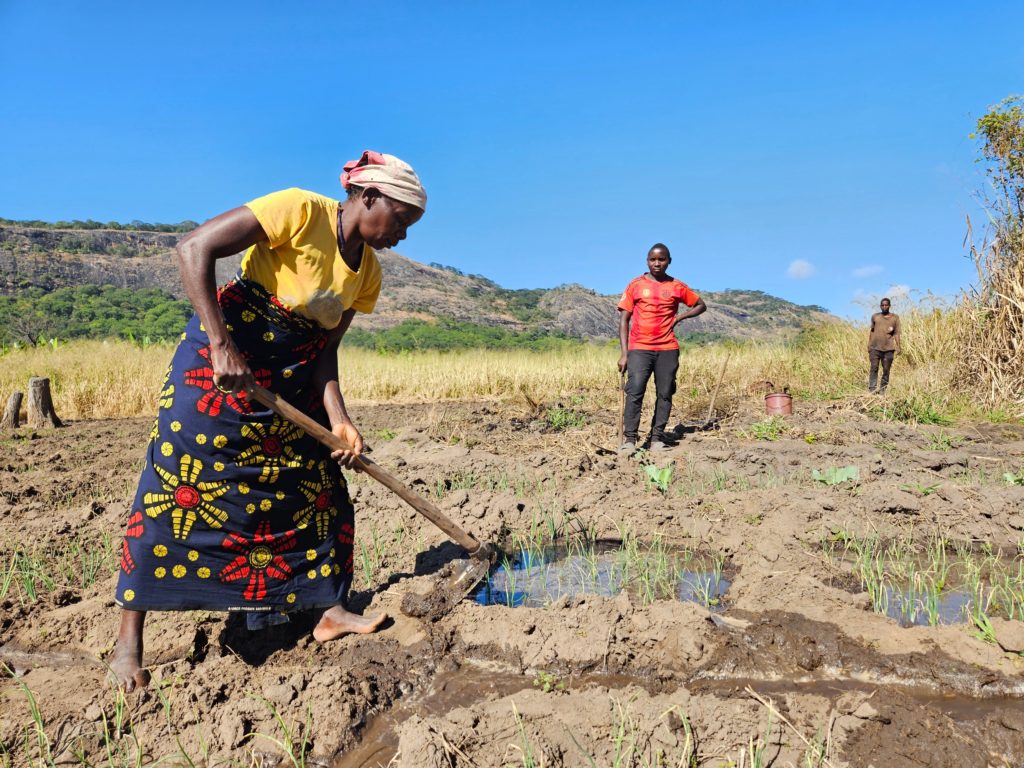
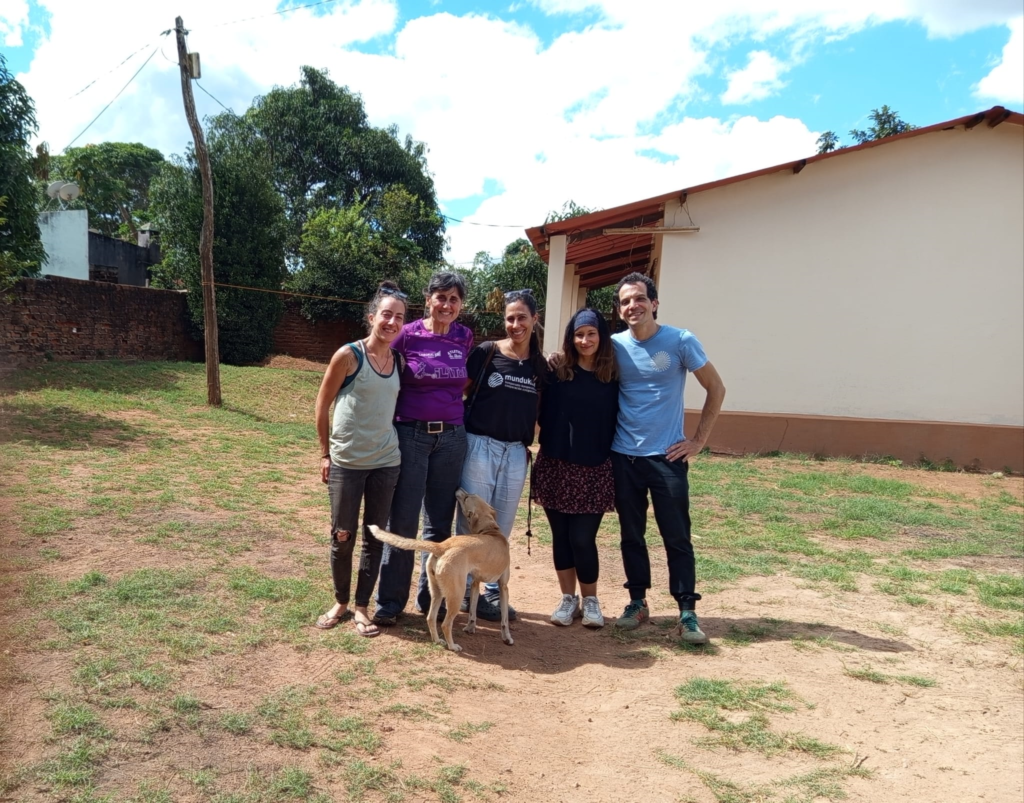
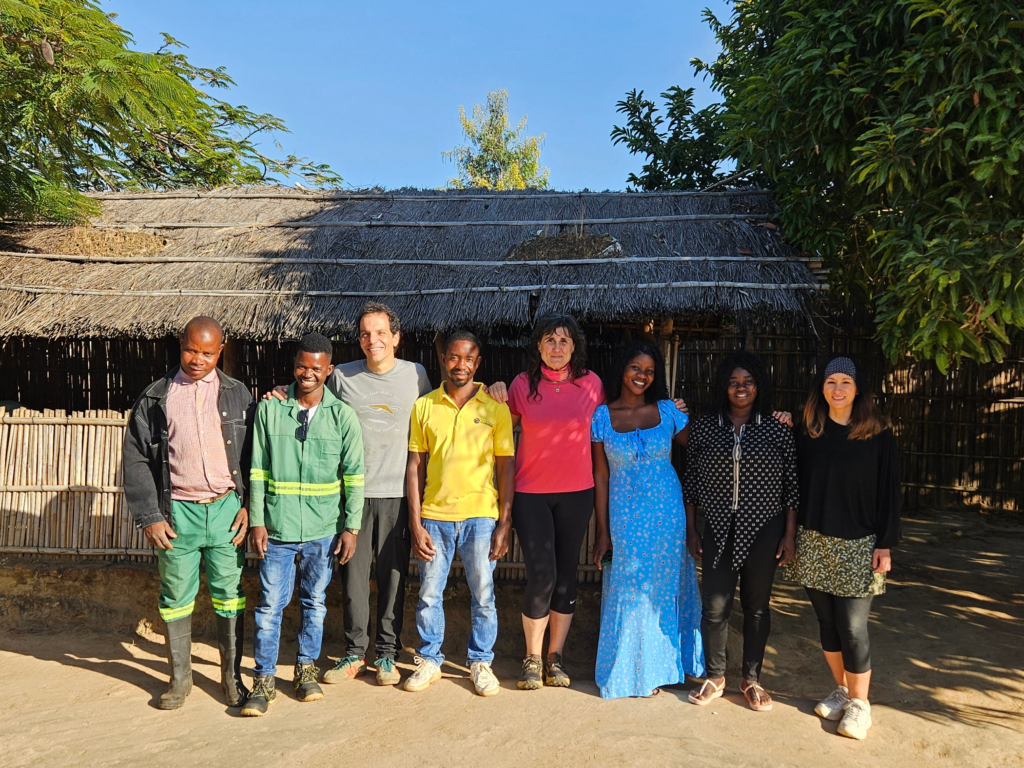
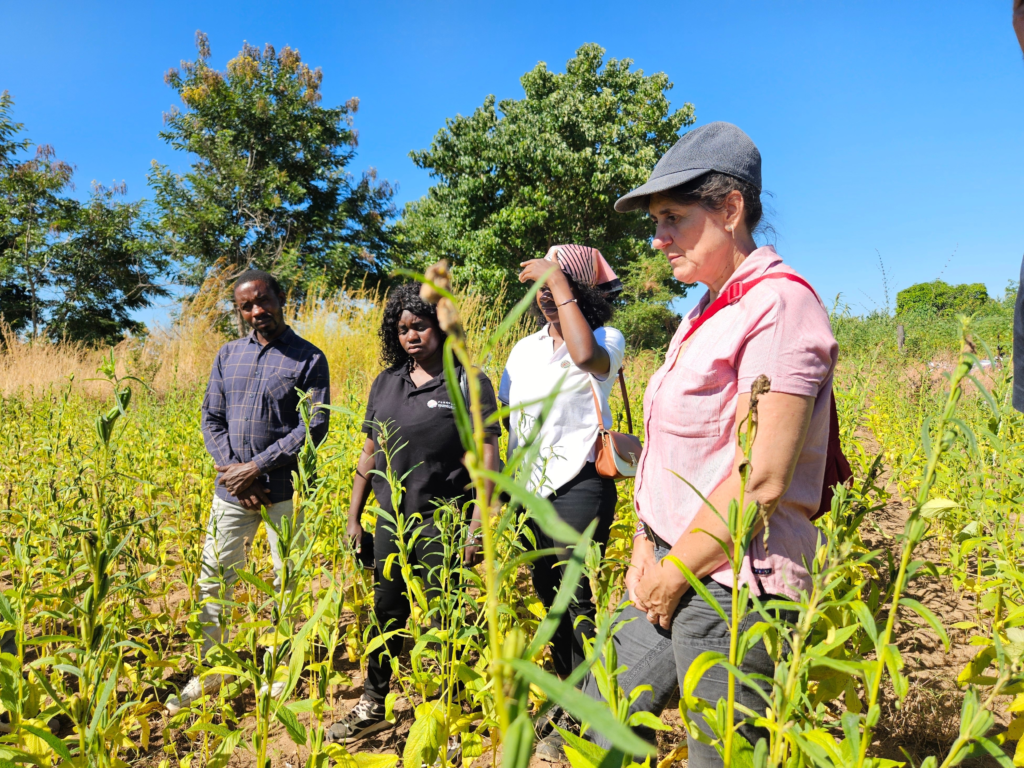
The leadership of Mundukide carried out a monitoring visit to its Mozambique program, traveling through the country to gain first-hand insight into its impact, led by director Itsaso Erretolatza. The project, implemented in the northern regions of Niassa and Cabo Delgado in Mozambique, aims to improve farmers’ living conditions, and this visit provided a direct understanding of its effects on the ground.
Day 1: Maputo – Pemba – Montepuez: first contacts and initial impressions
After arriving from Maputo to Pemba, the team held initial meetings with representatives from the Department of Agriculture and Fisheries. They noted that heavy rains had delayed this year’s planting season, although a good harvest is still expected. The need for nurseries and the importance of livestock development were emphasized.
In a meeting with the governor of Cabo Delgado province, Mundukide’s work promoting red onion cultivation was praised. The need to increase soybean production and strengthen its commercialization was also highlighted.
After a difficult 200 km journey, they reached Montepuez, where they visited horticultural systems and irrigation techniques aimed at ensuring year-round production.
Day 2: Namuno: displacement and learning about soy and sesame
After navigating difficult roads in Namuno, they arrived in communities displaced by conflict. There, farmers are learning to cultivate soybeans and sesame on Hilario’s land.
The visit highlighted the value of the program: farmers, receiving training and inputs, are learning to work their land independently. The fields of Maria Celeste and Arretaguarda also showed the results of the initiative, despite requiring hour-and-a-half walks to reach them.
Day 3: Montepuez surroundings and vegetable garden growth
In the gardens led by Fadila Fadark near the Montepuez River, the progress of onion cultivation was observed. Although floods damaged the land, communities have resumed production with determination.
During a meeting under a mango tree, farmers shared their challenges, and the importance of close program monitoring was emphasized.
Day 4: Balama: women’s leadership and large-scale production
The association led by Jacinta in Balama district showcased 30 hectares of farmland. They had just harvested soybeans, demonstrating how women are improving their living conditions through agricultural production.
Irrigated vegetable gardens growing cabbage and peppers illustrated the balance between development and nature.
Day 5: overall program overview and cooperation network
The agricultural system in northern Mozambique is largely manual and low in productivity. Mundukide provides technical support, marketing assistance, and training to promote household autonomy.
The program is fully embedded in local communities: 90% of staff are local, and more than 30,000 families have already benefited, generating around €6 million in additional annual income.
Participants in the meeting included Itsaso Erretolatza, program manager Adrián Lamas, and colleagues Anna Sanz, Verónica Romero, and Elena Ramos.
Day 6: Marrupa: innovative irrigation systems
In the Nungo-Malema area, after crossing paths marked by elephants, they observed traditional yet effective irrigation systems. Through canals and small dams, onion fields are irrigated in an organized way, forming systems reminiscent of a “mini Panama Canal.”
Day 7: women’s gardens in Marrupa
Women’s groups cultivate onion seedlings and vegetable gardens using canal irrigation. They have participated in the program since 2008 and, although they have experimented with other crops, onions remain their main production. The visitors received a warm and grateful welcome.
Day 8: Maua: soybean harvest challenges and marketing
In the fields of André, Armando, and Xantraqui, excellent harvests were observed, but farmers face difficulties in commercialization. It was suggested that they improve prices by organizing collectively and strengthening their negotiation power.
Day 9: Maua: community work and new dams
Farmers decided to build a dam through collective community work, meeting on Saturdays. They expect to complete it within three weeks and have already begun construction of the main structures.
This visit made it clear that Mundukide’s work goes beyond improving agricultural techniques; it strengthens community autonomy, organization, and future opportunities. In a challenging environment, local communities and cooperation networks demonstrate that development is possible when based on trust and collective effort.
Share it