Ecuador
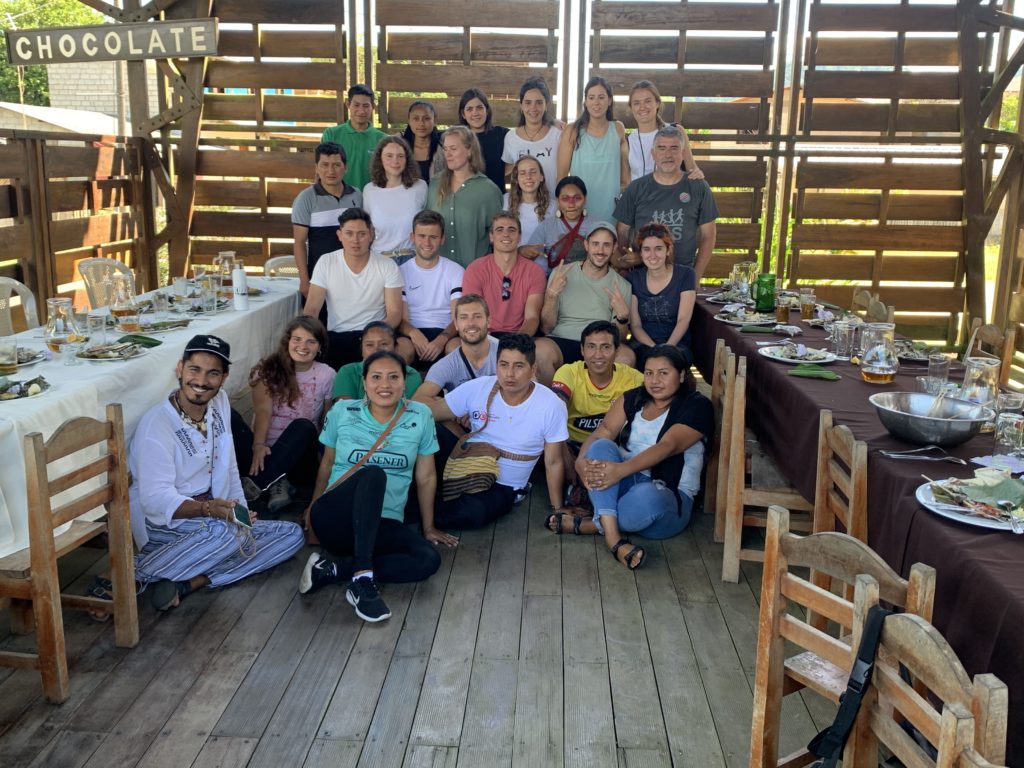
In Ecuador, Mundukide promotes sustainable socioeconomic development and strengthens associativism among rural entities on the northern border and in the Amazon.
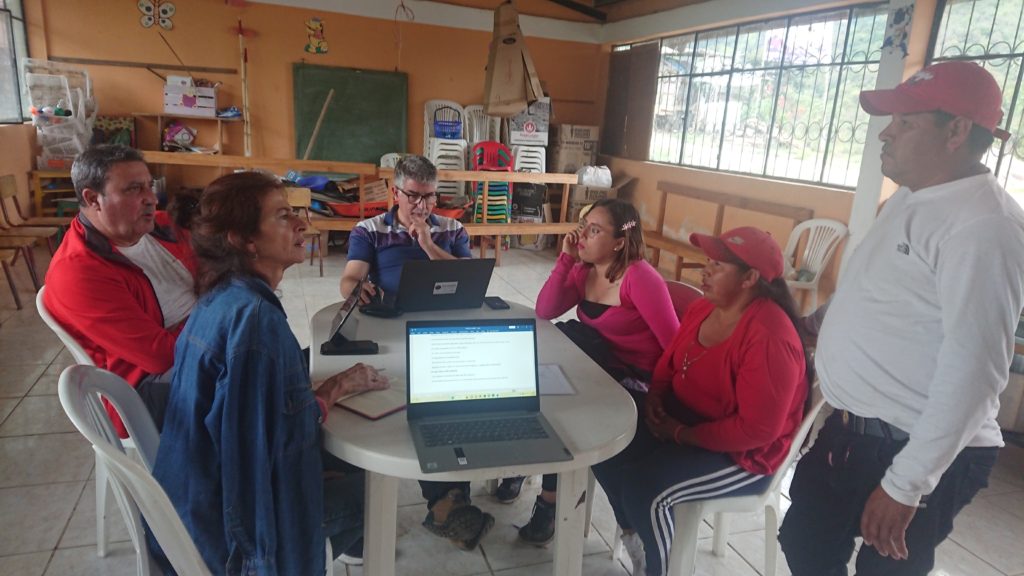
We work hand in hand with women entrepreneurs in the Intag valley, alongside the Toisan Corporation, and with indigenous communities in Cotacachi, together with the Central Committee of Women of UNORCAC (CCMU), promoting agroecological transition, organisational strengthening, and joint marketing through the Kutakachi network. We also support the association of small farmers in the Amazon in strengthening their governance and planning.
Work that brings together agriculture, culture, and women's leadership, placing people and communities at the centre of their own development.
PROGRESS
During 2025, Mundukide launched a new project in Ecuador, with the support of AECID, titled: "Strengthened social participation system drives a sustainable production model with a gender and rights approach in Cotacachi." This project builds on the process of strengthening the Kutakachi SAS joint marketing network, while also incorporating a new strategic line focused on agroecological transition. The work is carried out both in the Intag valley, together with the Toisan Corporation, and in the Andean area of Cotacachi, in coordination with the Central Committee of Women of UNORCAC (CCMU). The initiative is implemented jointly with the Entrepueblos Association, whose local counterpart —the Cotacachi Cantonal Unity Assembly— drives actions related to strengthening the social participation system and combating gender-based violence.
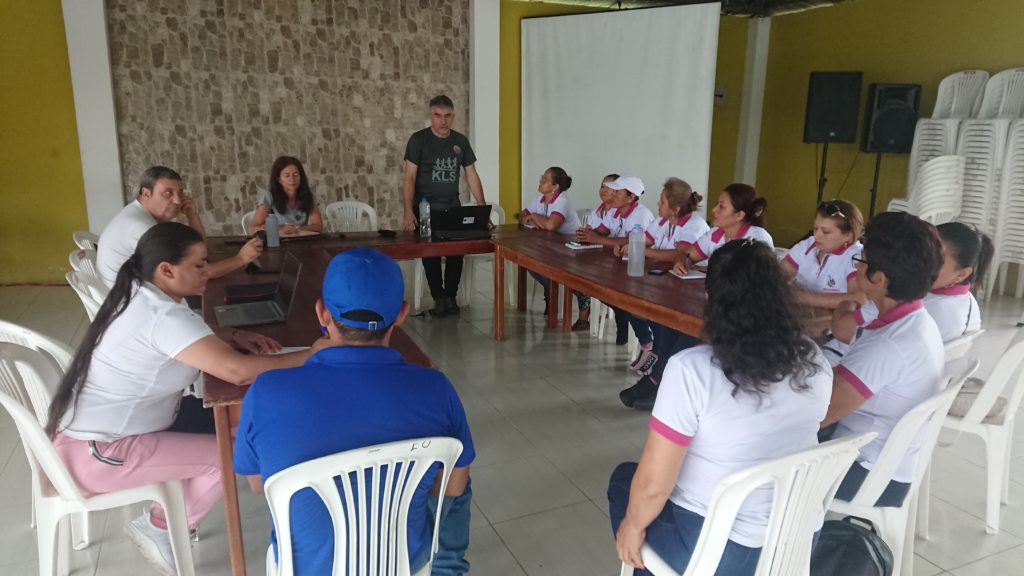
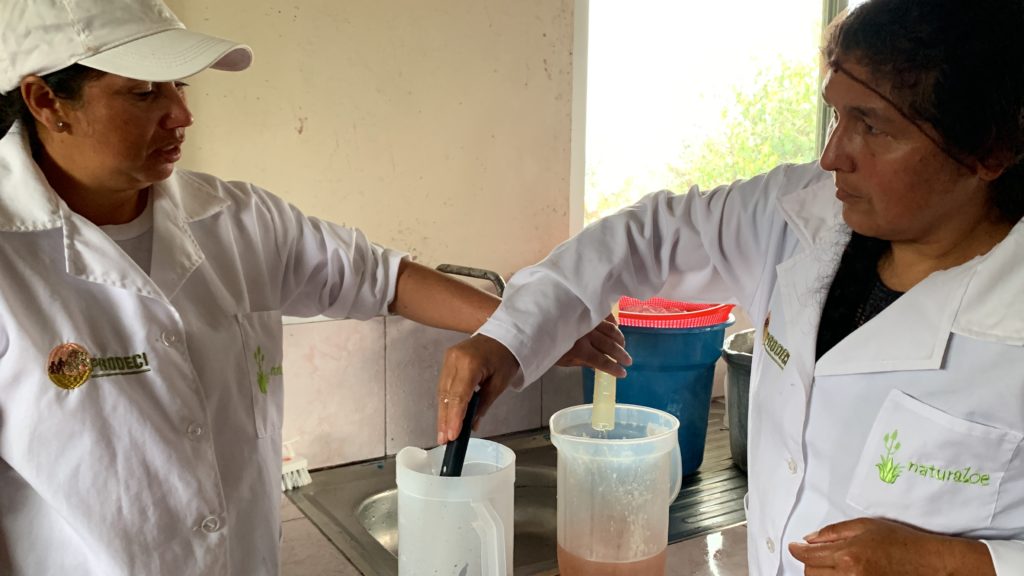
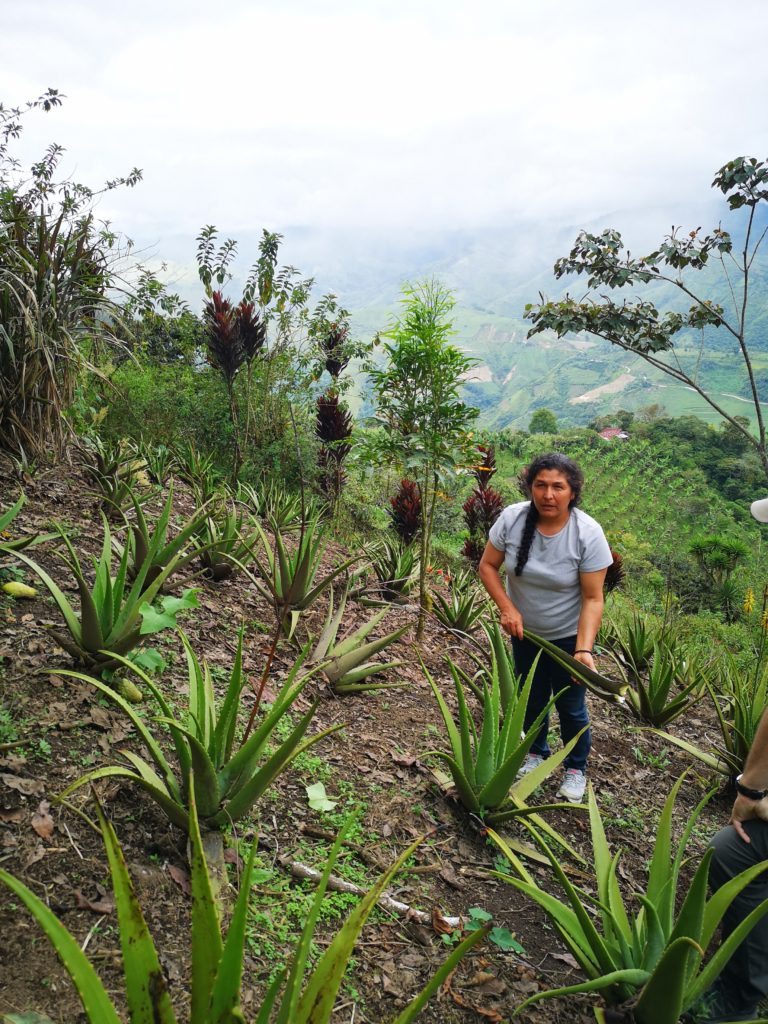
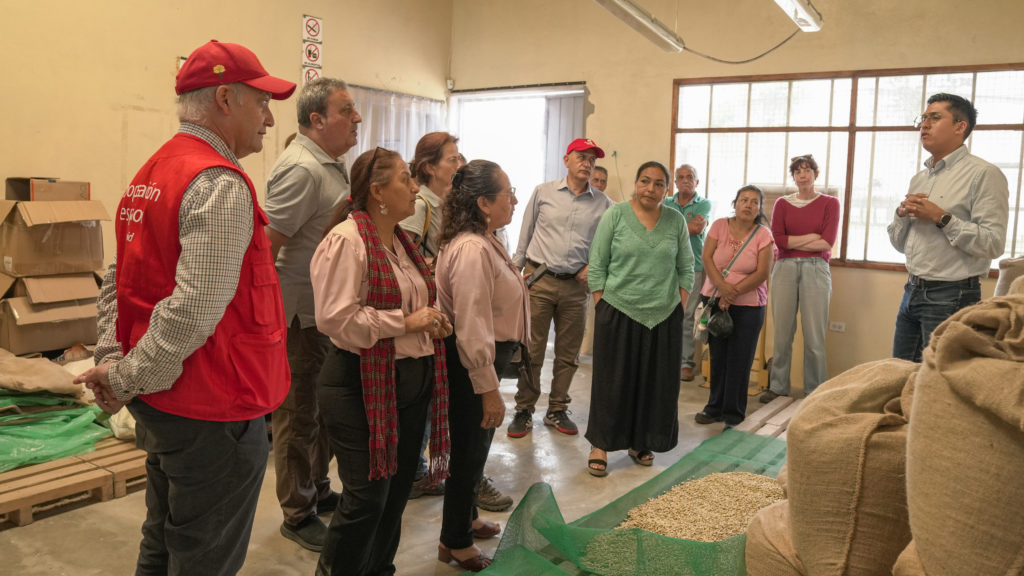
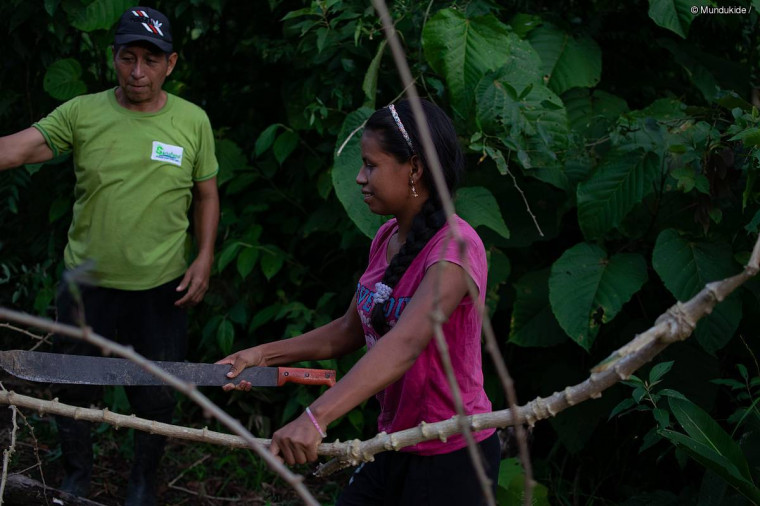
On the productive side, the project has begun promoting an agroecological transition with a solid technical foundation. Throughout the year, numerous training sessions, farm visits, and production diagnostics have been carried out, supporting farming families in improving soil management, plant nutrition, and natural pest control. The strategy of farmer-run bio-factories has become a key pillar: collective spaces where bio-inputs are produced and knowledge is shared. This model not only strengthens technical capacities but also reduces dependence on agrochemicals, reinforces productive autonomy, and consolidates community organisation.
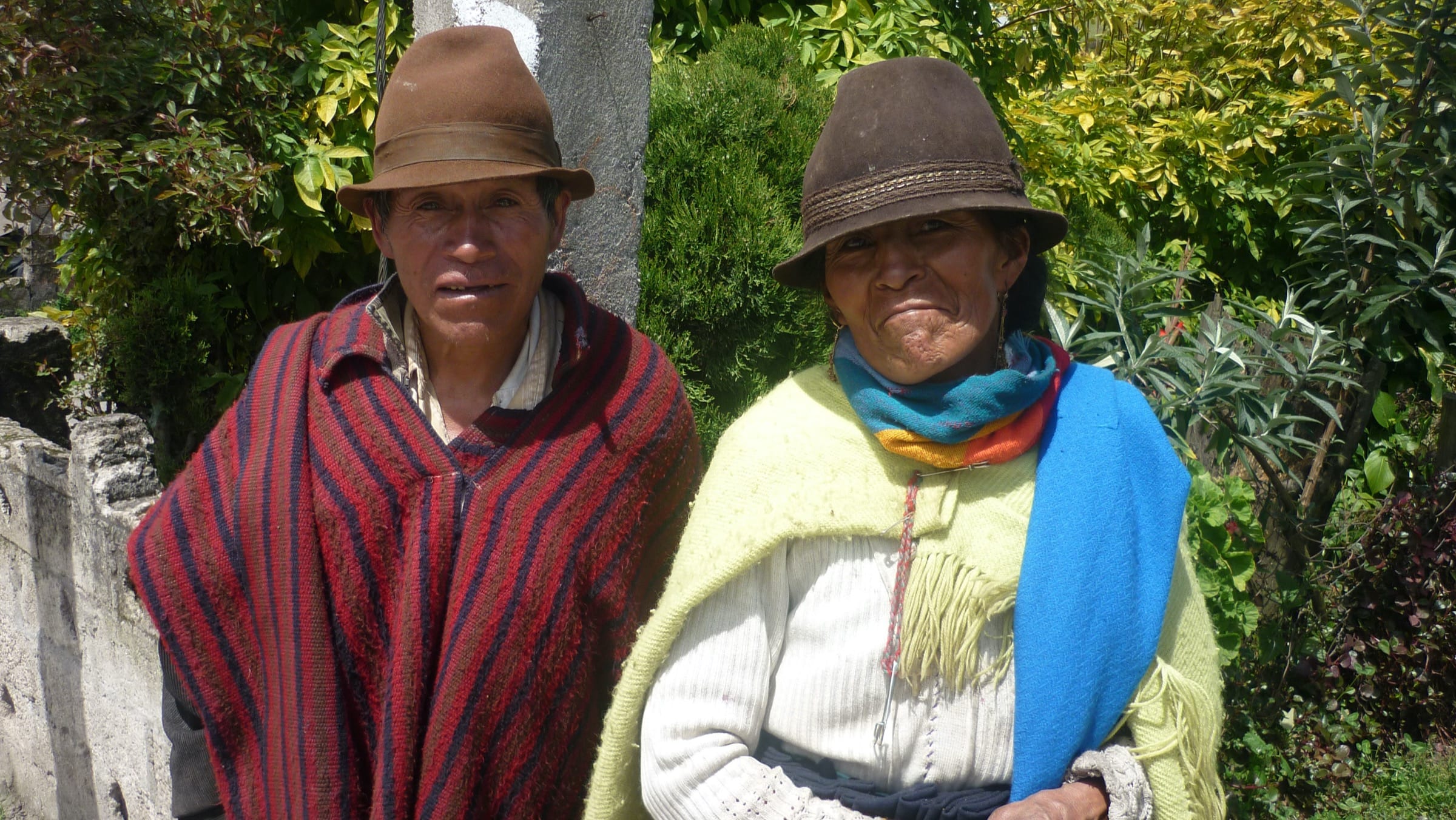
In the Andean area, the process is strongly led by indigenous women through the CCMU. They work on managing the Andean chakra —the traditional garden— as the basis of family nutrition and as a source of income through the sale of surplus produce at the Pachamama Fair. This approach brings together culture, food sovereignty, and local economy, positioning women as central actors in territorial development.
FAO's recognition of the Andean chakra as a GIAHS (Globally Important Agricultural Heritage System) is one of the most significant milestones of the process. During 2025, this recognition helped position Cotacachi as a benchmark in resilient agriculture and climate action, including a national award to the Municipal Government for its exemplary practices. Likewise, the CCMU —with Mundukide's support— was recognised nationally in the AgroConCiencia-FARM competition, reinforcing the coherence between local public policy, women's leadership, and productive sustainability.
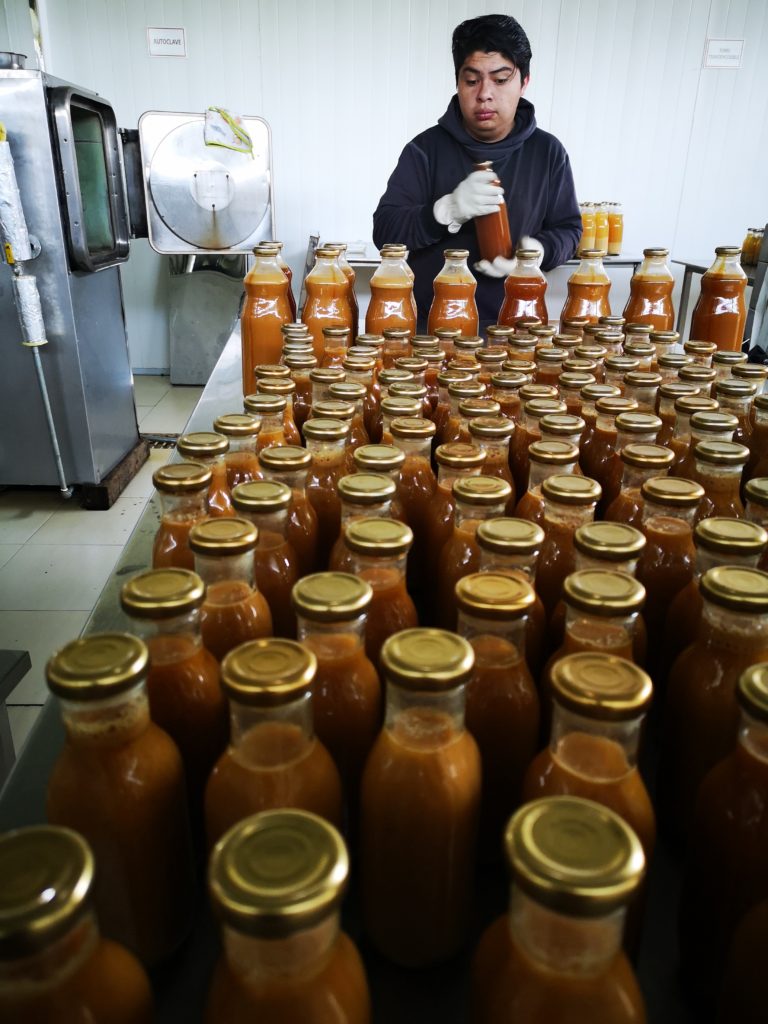
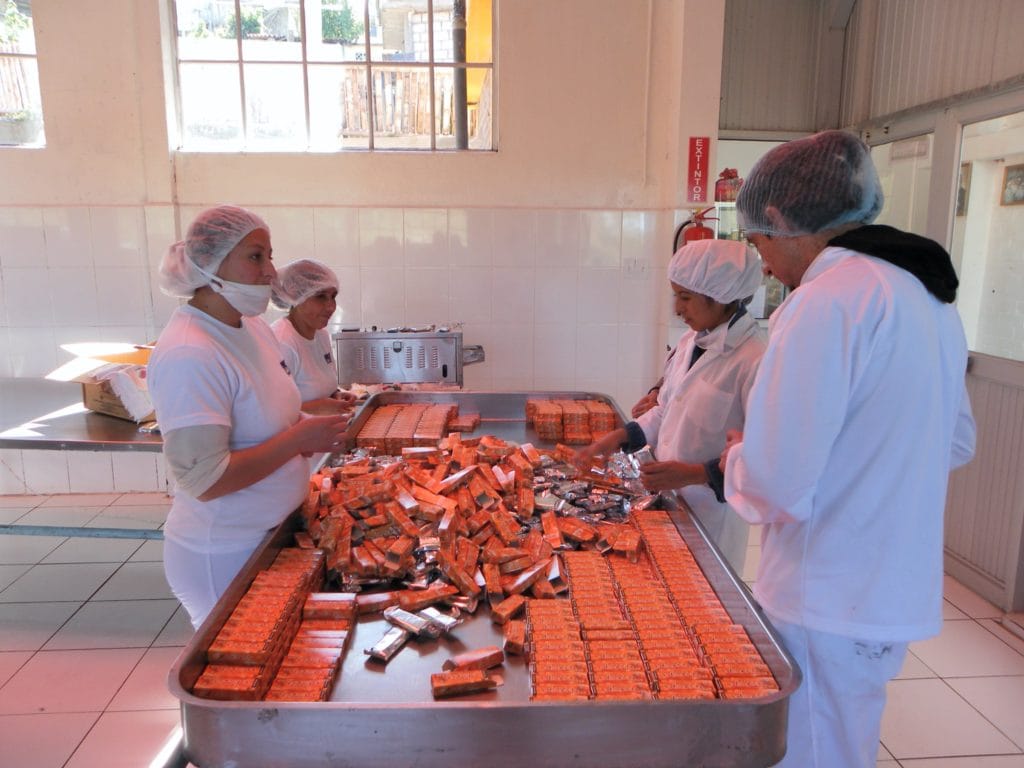
On the commercial side, the Kutakachi network has demonstrated capacity for growth and adaptation. Despite a period of disruption that affected the canton's economic activity and the departure of some ventures, the network managed to maintain a high level of sales and significantly expand its points of sale, establishing strategic alliances with actors such as the Ecuadorian Corporation of Entrepreneurs and Businesspeople (COEE). The development of a strategic plan and ongoing support in planning, accounting, and sales reflect an organisational strengthening process with business vision and a commitment to sustainable local development.
Continue reading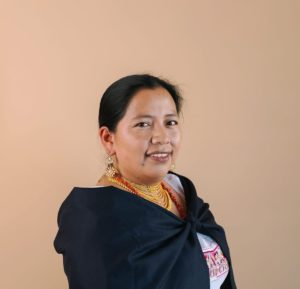
2026 marks a new stage for us, the women of the UNORCAC CCMU Women's Central Committee. We are beginning a closer collaboration with Mundukide Ecuador, strengthening a path we started in 1996 when we decided to make the role of women within our organization visible. Since obtaining our legal status in 2008, we have gained autonomy, and in 2023 the FAO recognized our Andean chakra as a Globally Important Agricultural Heritage System. Today, we bring together 29 women's organizations, the Hampik Warmikuna Ancestral Health Council, the Pachamama Fair, and our chicha de jora (fermented corn beverage) processor, Sara Mama, part of the Kutakachi network. We are aware that much remains to be done, which is why this year we launched a pilot program with bio-inputs alongside 80 women from four communities, also strengthening our organizational structure and sharing our knowledge from Toisán in Intag and the Pastos women of Colombia.
Alexandra Alta, CCMU Secretary

In 2025, together with the Toisán Corporation, we began an agroecological transition process in the Intag region (Cotacachi). The work started with the training of 11 local experts who could then replicate the process on different farms. This was followed by the implementation of six community-run biofactories in specific locations, focused on promoting the production of agroecological bio-inputs. In 2026, this process expanded to the Andean region of Cotacachi, working jointly with the UNORCAC Women's Central Committee, through the implementation of four biofactories focused on women producers who deliver their farm products to the weekly La Pachamama market. This process has combined local knowledge with the experience of Mundukide Colombia in the border region of Ipiales.
Yon Arruti Chasco, Cooperative in Ecuador
Data from 2025. If you need more information, you can access reports and publications
Why we're here?
2.Training people
We train people so they can change their world. Therefore, training is the cornerstone of Mundukide’s projects. People learn at school, but they also learn at work, in the family and from the community.
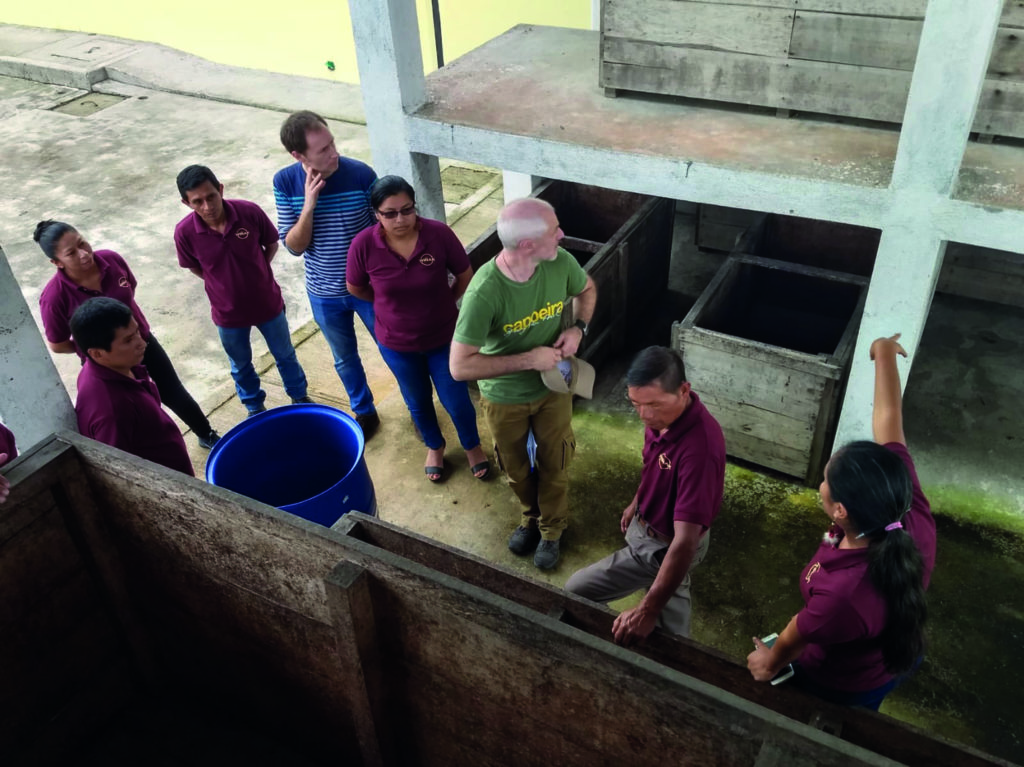
4.Technical assistance
There is no better experience than shared experience. Our role is to develop a management model that can simplify and improve the operations of associations and cooperatives across all areas, from production to marketing.
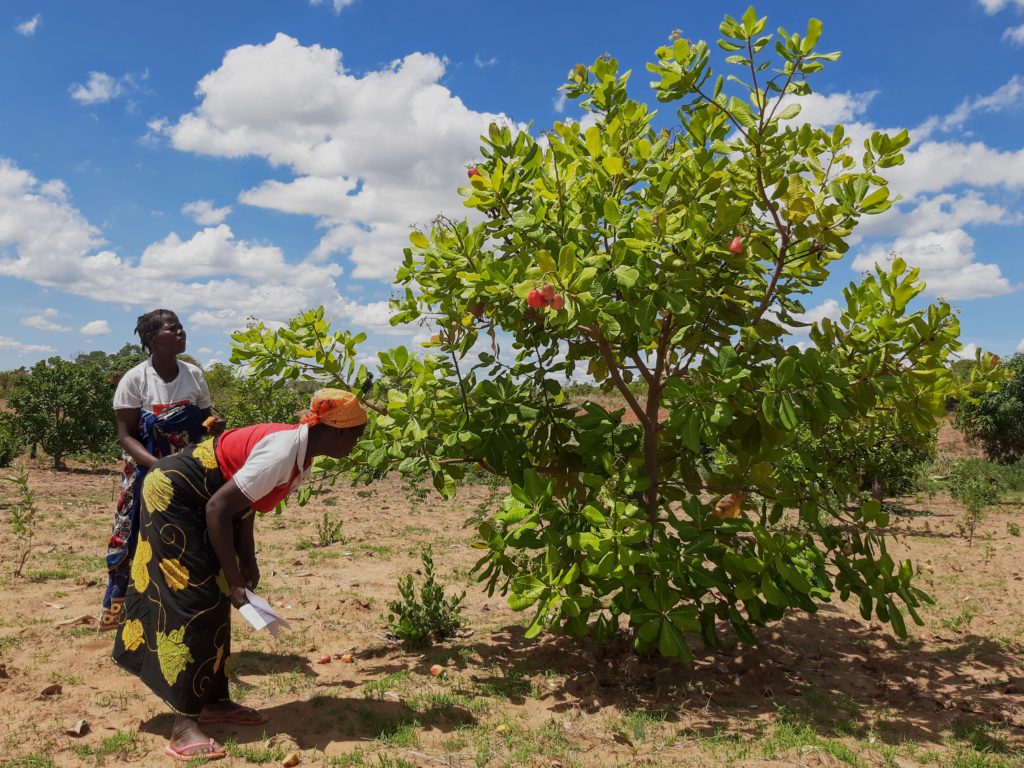
8.Environmental sustainability
Our commitment to the environment is a cross-cutting theme in all areas of our work.
Related news
Hiruatx eta Mundukide, bailara bete elkartasun
19 January 2022
Offer your LK points for Mundukide
17 May 2021
Mundukide promotes sustainable socio-economic development and strengthens cooperation and collective organisation among rural organisations in Ecuador's northern border region and the Amazon. Its work combines agriculture, culture and women's leadership, placing people and communities at the centre of their own development.
Areas of intervention
Intag Valley (Imbabura): In partnership with the Toisán Corporation, Mundukide works alongside women entrepreneurs, strengthening their capacities and supporting the development of their businesses.
Cotacachi (Imbabura, Andean region): Together with the Central Women's Committee of UNORCAC (CCMU), Mundukide works with Indigenous communities to promote the agroecological transition, strengthen local organisations, and support collective marketing through the Kutakachi network.
Amazon Region: Mundukide supports an association of small-scale farmers in strengthening its governance and strategic planning capacities.
Current project (2025–2026)
In 2025, with the support of the Spanish Agency for International Development Cooperation (AECID), Mundukide launched a new project in Ecuador entitled: "A strengthened social participation system promotes a sustainable production model with a gender and rights-based approach in Cotacachi."
Kutakachi Network
The Kutakachi marketing network has demonstrated a strong capacity for growth and adaptation. Despite a period of disruption that affected the local economy and led to the departure of several enterprises, the network maintained a high level of sales while significantly expanding its points of sale. It has also established strategic partnerships, including with the Ecuadorian Corporation of Entrepreneurs and Businesspeople (COEE).
A long-term commitment
Mundukide has been working in Ecuador since 2018, although the foundation had already gained five years of previous experience in the country during its early years, collaborating with several local organisations.
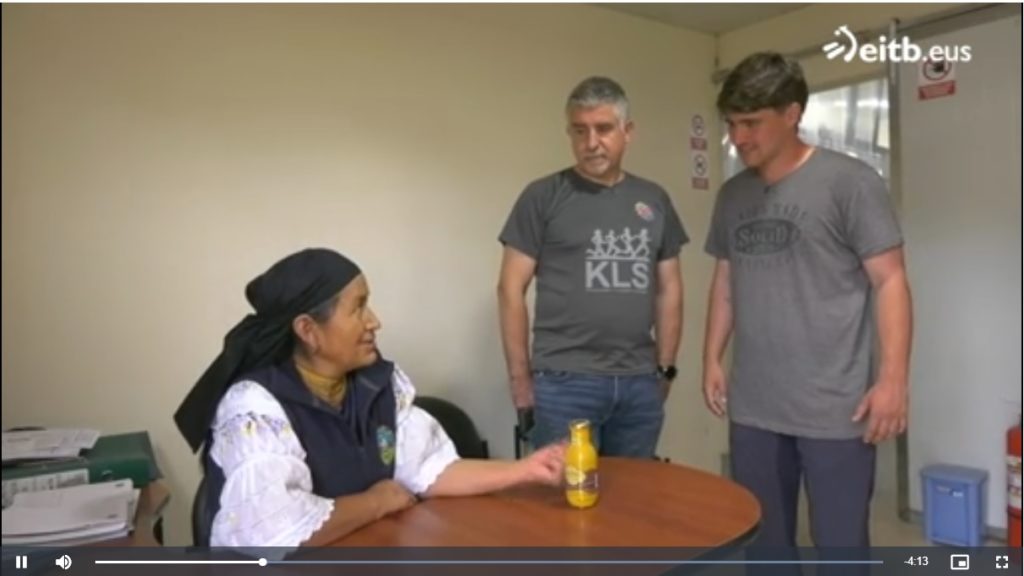
Today, Yon Arruti, a Basque development worker, has been supporting Mundukide's work in Cotacachi since 2019. He accompanies long-term community development initiatives in both the Andean highlands (páramo) and the subtropical region, working closely with local communities to strengthen sustainable livelihoods and local organisations.
If this text is intended for an international institutional brochure or annual report, I can also adapt it to a more polished, NGO-style English commonly used by organisations such as UN agencies, AECID, or international NGOs.
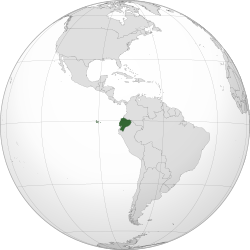
Ecuador
- Capital: Quito
- Language: Spanish
- Area: 256.370 km²
- Population: 17.475.570 hab.